
Directive 8020 Review
Release Date: 12/05/2026
Platforms: PS5, XBOX & PC
Platform Played On: PS5
Hours Played: 40
Score: 8/10
Directive 8020 is the next installment from Supermassive Games and the latest entry in The Dark Pictures Anthology series. This time the series moves away from grounded horror and heads into space, which honestly works surprisingly well. It is also the first game to completely drop “The Dark Pictures” title, helping it feel like the beginning of something slightly new while still keeping the familiar formula fans expect.
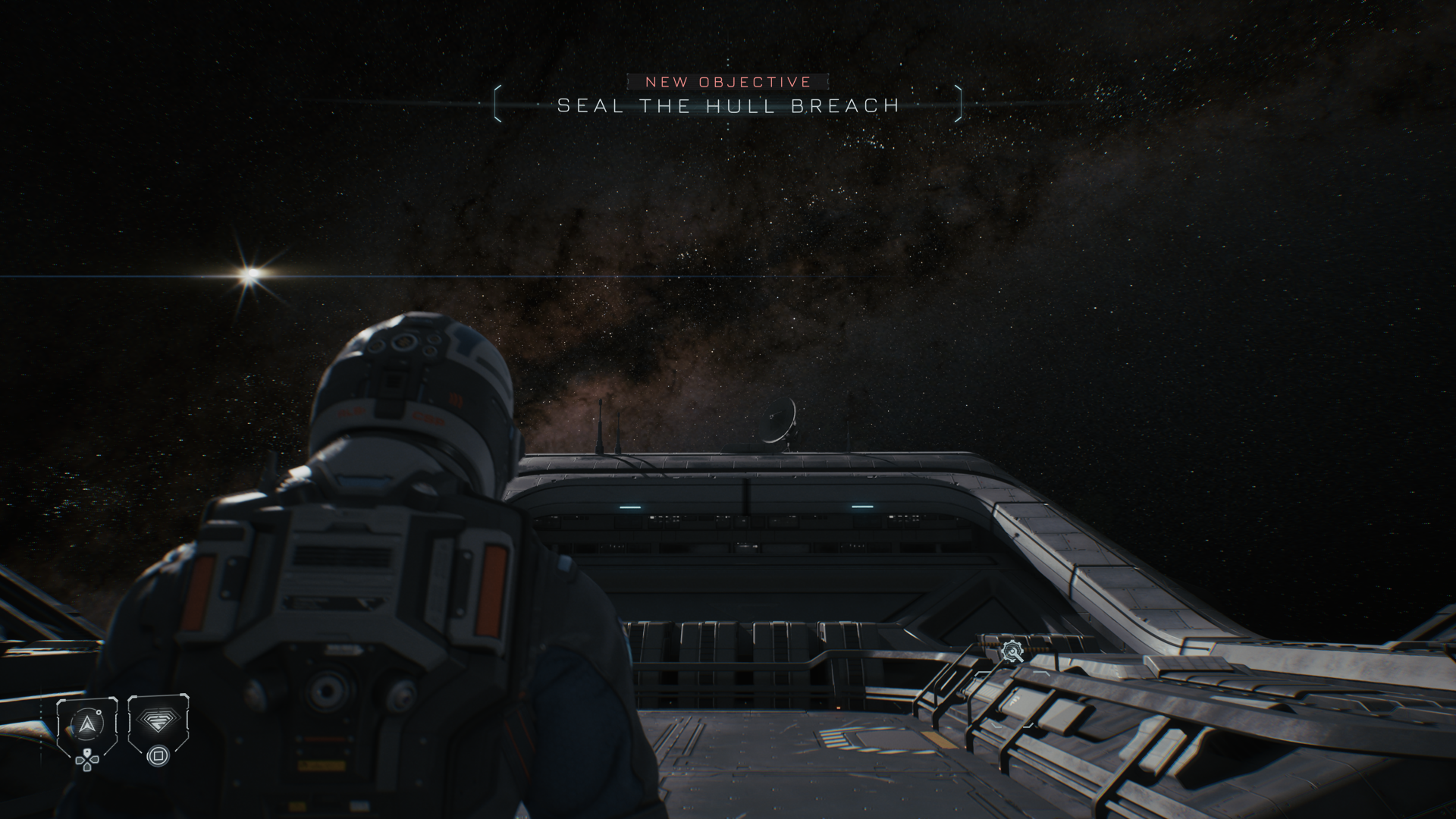
Like previous entries, the game follows a group of characters whose lives are shaped by the decisions you make throughout the story. This time you play as the crew aboard the Cassiopeia, a recon ship sent to investigate a potentially habitable planet before the colony ship Andromeda arrives. Humanity is attempting to escape a dying Earth, giving the story a much larger scale than previous games in the series.
As always, choices are the core focus. Decisions can slightly alter conversations or completely reshape future events. One issue I had with this system, especially in Directive 8020, is that some choices feel based more on luck than actual logic. In several cases there is almost no indication that a seemingly harmless decision was actually a terrible one until much later in the game.
Thankfully, this is where one of the game’s biggest new features comes into play. Directive 8020 introduces a flowchart and rewind system that lets you revisit previous sections and alter outcomes. After finishing the game once, you can freely jump back to specific points to explore different paths, while players on the easier Explorer difficulty can rewind during the first playthrough itself. Although this can remove some tension and consequences during an initial run, it becomes incredibly useful afterward.
The rewind system is honestly one of the best additions the series has had. Not only can you revisit key moments, but the game also gives subtle hints about how to unlock unseen scenes and alternate outcomes. The flowchart tracks death scenes, branching paths, and missed content, making it much easier to experience everything without blindly replaying the entire game multiple times. For completionists, this feature is fantastic.
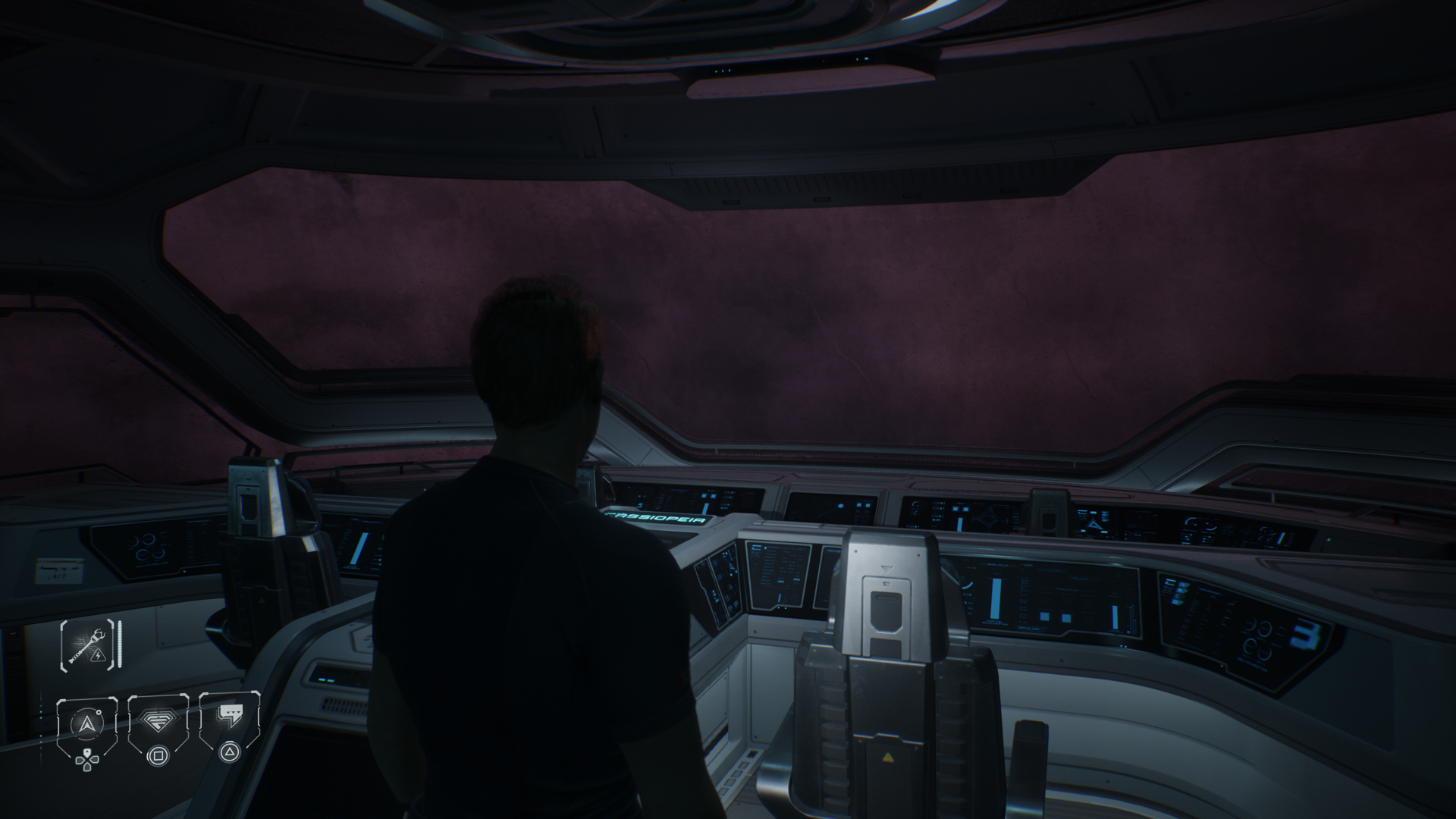
Outside of the narrative choices, the gameplay itself can feel repetitive. Much of the experience revolves around walking through the ship, hiding from enemies, solving very light environmental obstacles, and finding switches or access points to open locked doors. On the easiest difficulty these sections lose a lot of tension because of the extremely forgiving QTE system, which gives players essentially infinite retries through very easy parries. It weakens the horror in some moments since danger rarely feels real.
That said, there is still a little more gameplay variety than previous entries in the series. There are a few puzzles and slightly more interactive segments overall. None of it is groundbreaking, but it does help the pacing compared to earlier games.
The setting is where Directive 8020 really shines. Space works incredibly well for this type of horror experience. The game clearly takes inspiration from classics like Alien and other sci fi horror stories, but it also does a great job capturing the loneliness and overwhelming scale of space itself. The Cassiopeia often feels isolated and vulnerable, which adds a lot to the atmosphere.
The story is easily the strongest part of the game, just like with most Supermassive titles. A huge part of the fun comes from slowly piecing together what is actually happening once everything begins falling apart. There are clearly secrets the crew is hiding, and by exploring carefully and collecting optional items, you can slowly start figuring things out long before the game officially reveals them. It keeps the mystery engaging throughout without relying purely on jump scares.
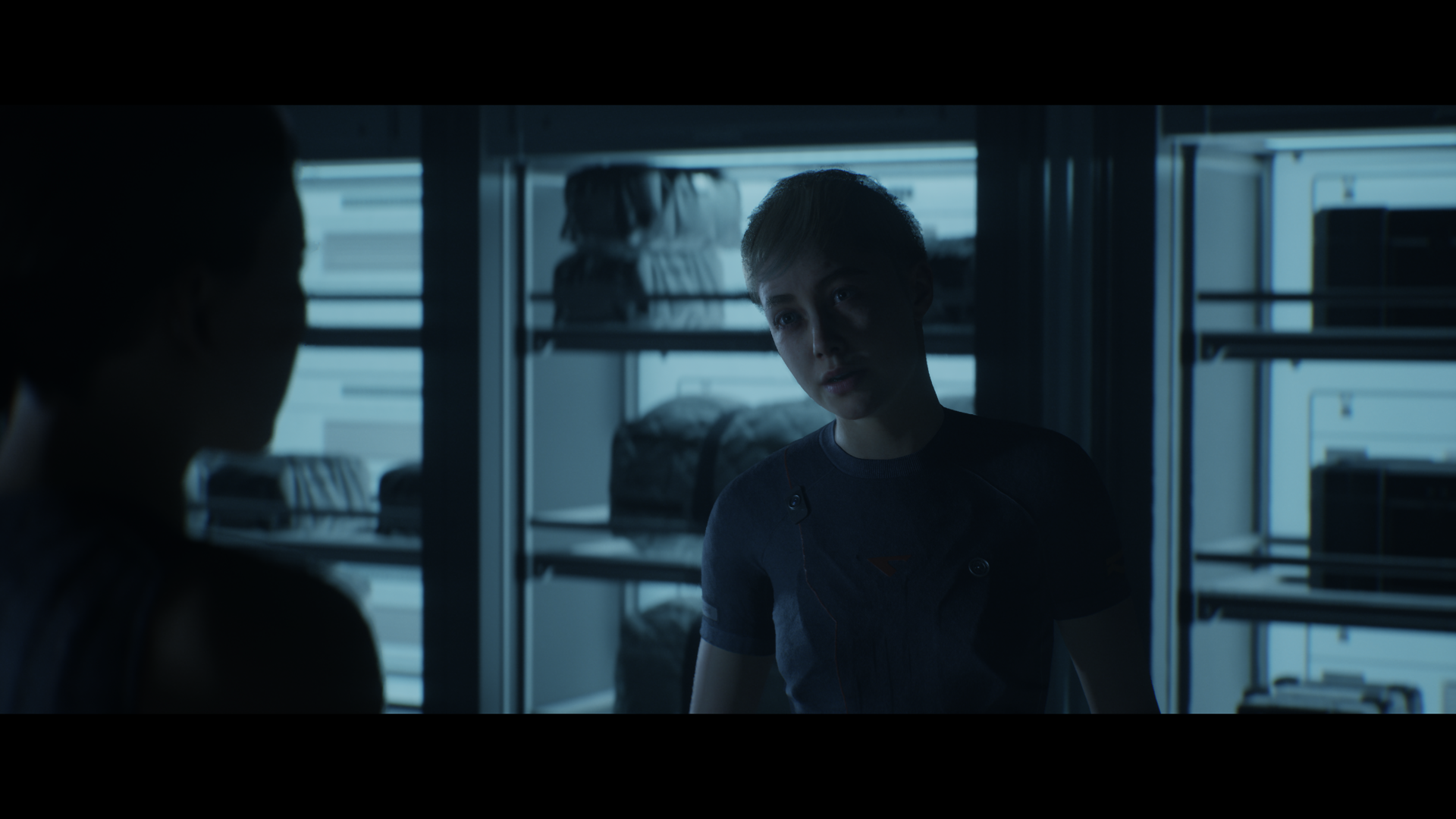
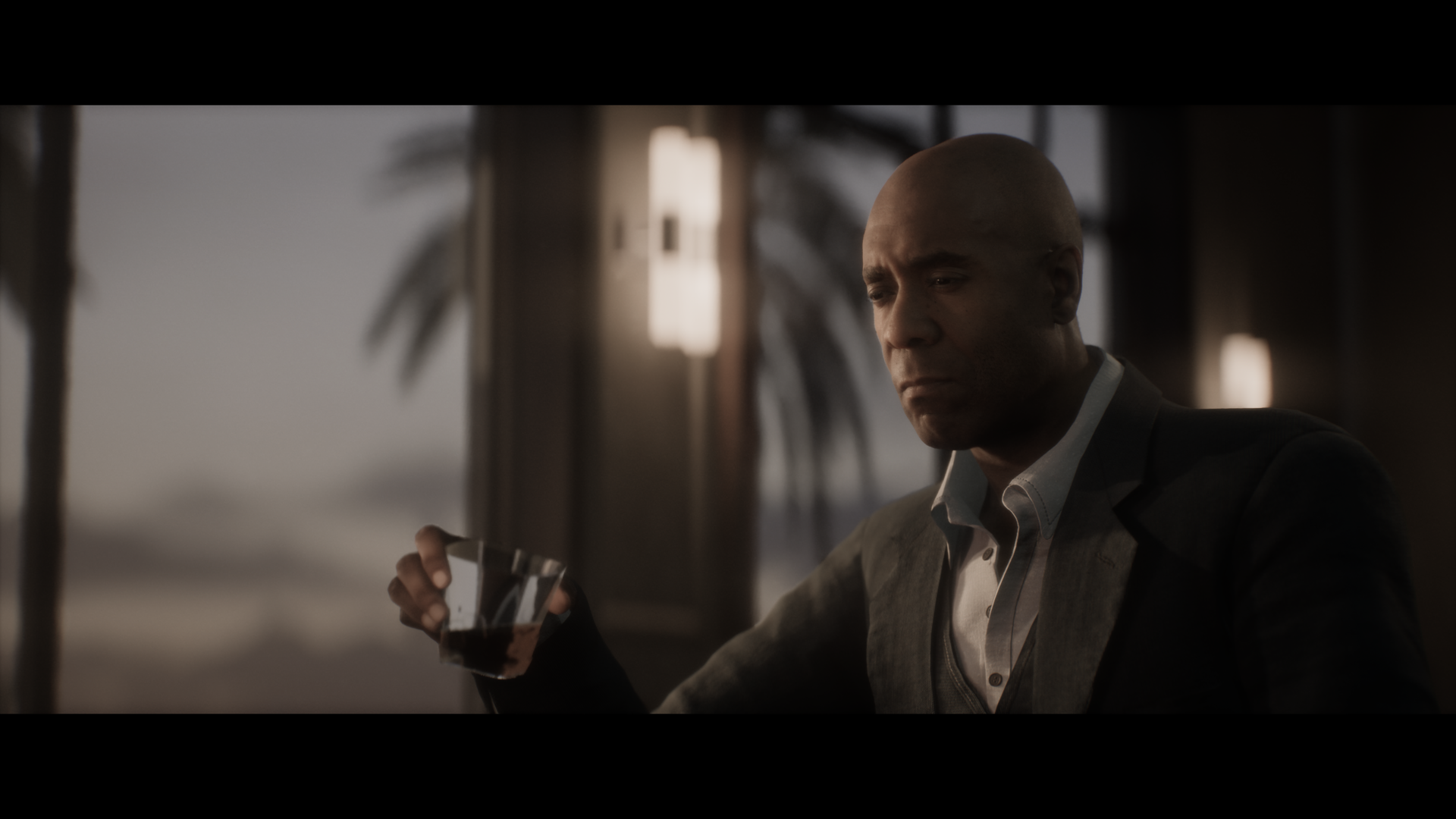
The cast also does a solid job overall. Facial animations and voice acting are strong across the board, although there is still a slight uncanny valley feeling at times, which has kind of become part of the Supermassive style at this point.
The crew itself is divided into multiple groups with different responsibilities. Early on you control members of the sleep crew, whose job is to wake the rest of the team after their four year journey. Before that process can be completed, communication breaks down and everything quickly spirals out of control, forcing the remaining crew members to wake up on their own and figure out what is happening.
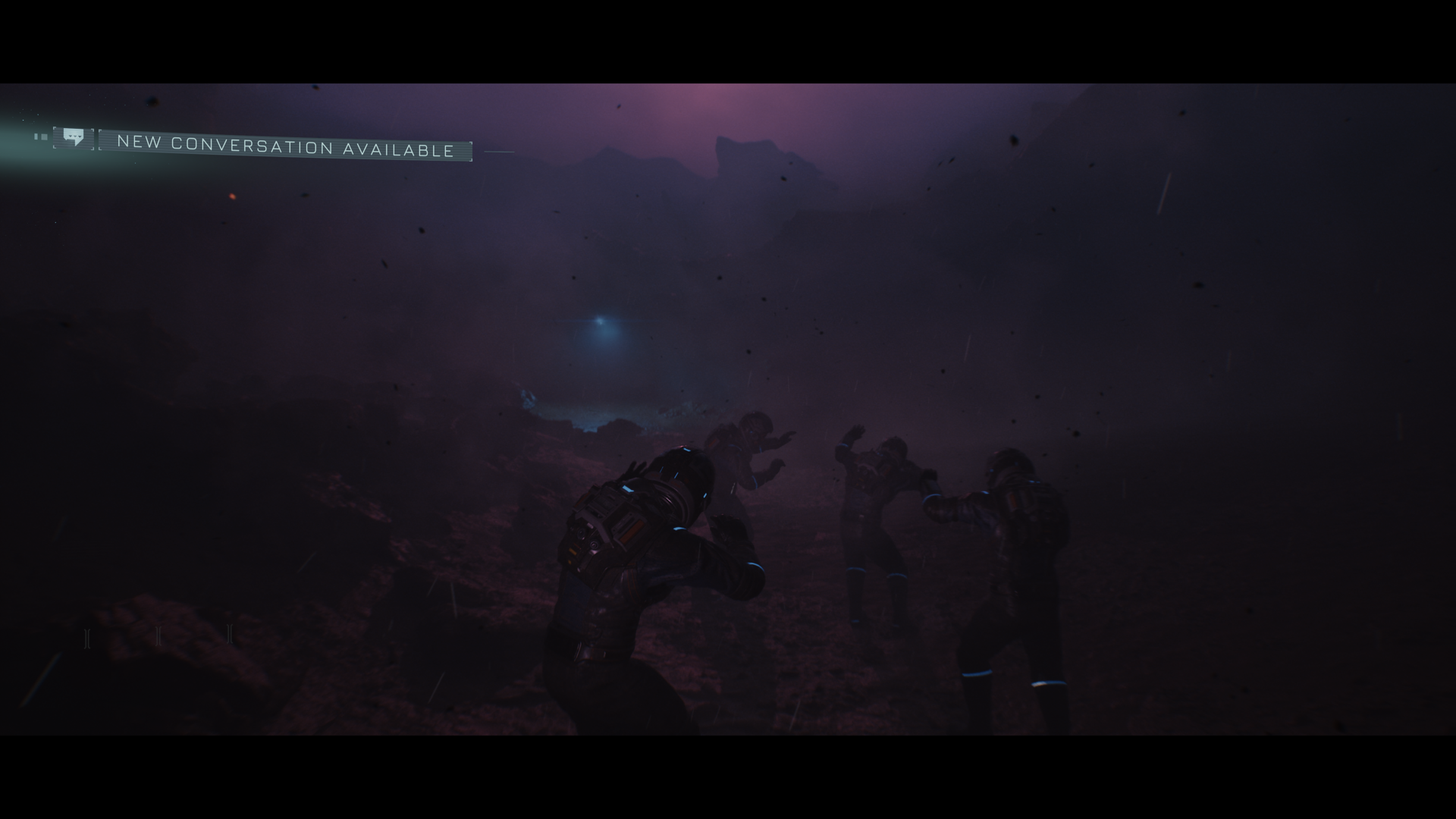
One thing I appreciated is that the characters generally avoid the painfully stupid decisions common in a lot of horror media. These are supposed to be some of humanity’s smartest individuals, and for the most part the game respects that. However, there are still moments where characters suddenly go from sounding highly intelligent to making questionable choices purely to create drama or tension for the plot.
Overall, Directive 8020 is an enjoyable experience for fans of Supermassive’s formula. It delivers the same choice driven horror structure the series is known for while introducing a fresh sci fi setting and some genuinely useful quality of life improvements. Not every new feature works perfectly, and the gameplay outside of the story can still feel shallow at times, but the atmosphere, mystery, and branching narrative make it one of the more interesting entries in the series.