Mortal Shell 2 Review
Release Date: 20/08/2026
Platforms: PS5, XBOX & PC
Platform Played On: PS5 Pro
Hours Played: 76
Score: 9/10
Every now and then you play a game that's just "ok" and think to yourself, this isn't bad, but it needs a lot of work, hopefully the sequel fixes it. Mortal Shell 2 is the absolute pinnacle of that scenario. The first game wasn't bad exactly, just kind of meh, but Mortal Shell 2 has instantly become one of my favorite non-FromSoft souls-likes, right up there with Lies of P and Lords of the Fallen (2023), and it actually outshines both of them in certain areas.
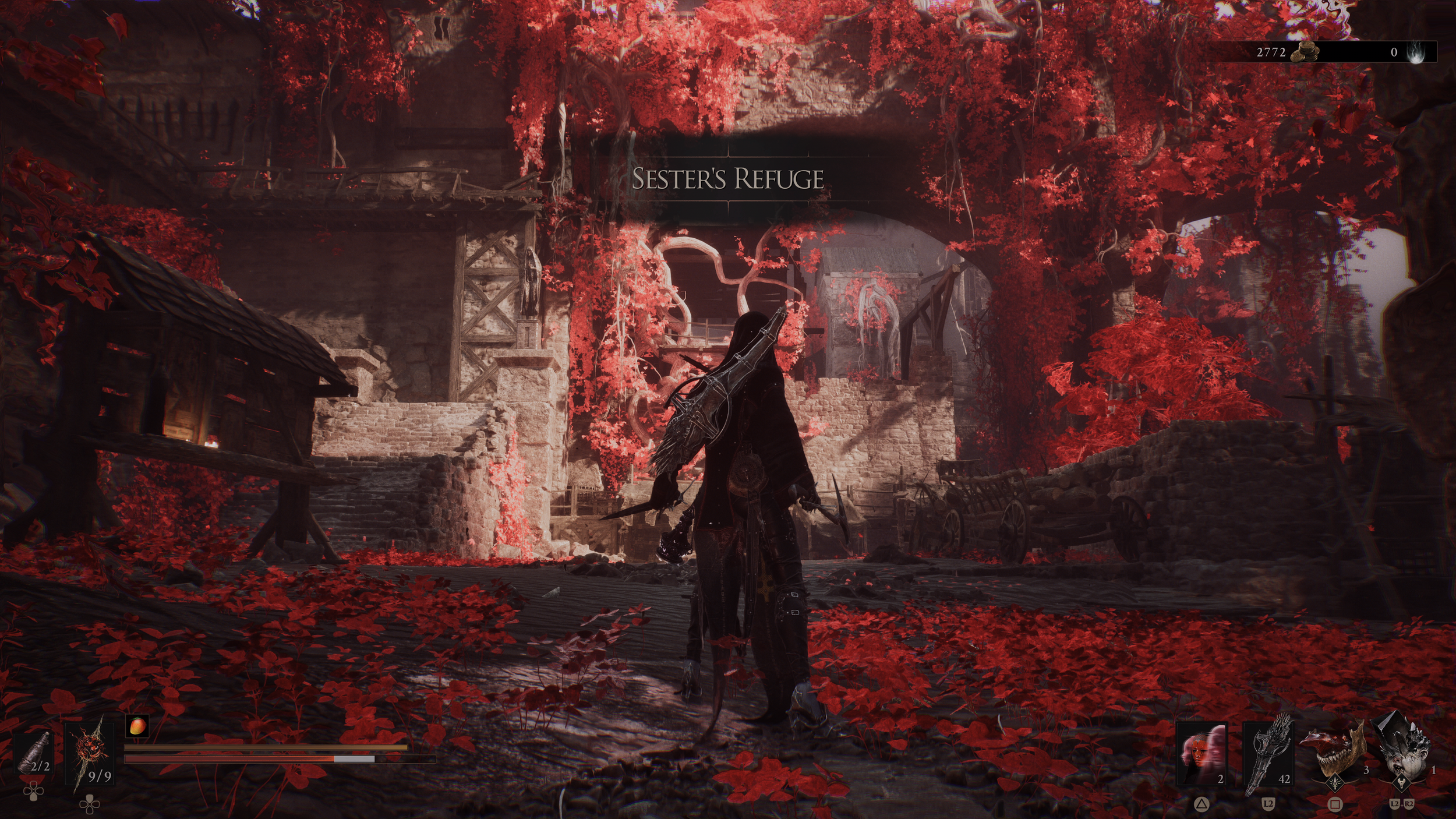
The biggest change is that Mortal Shell 2 goes open world, and it's the first time a game outside of FromSoft has scratched that Elden Ring itch for me. You can tell they were inspired by it, from collecting map fragments to the small dungeons scattered around the world, and honestly, they pulled it off.
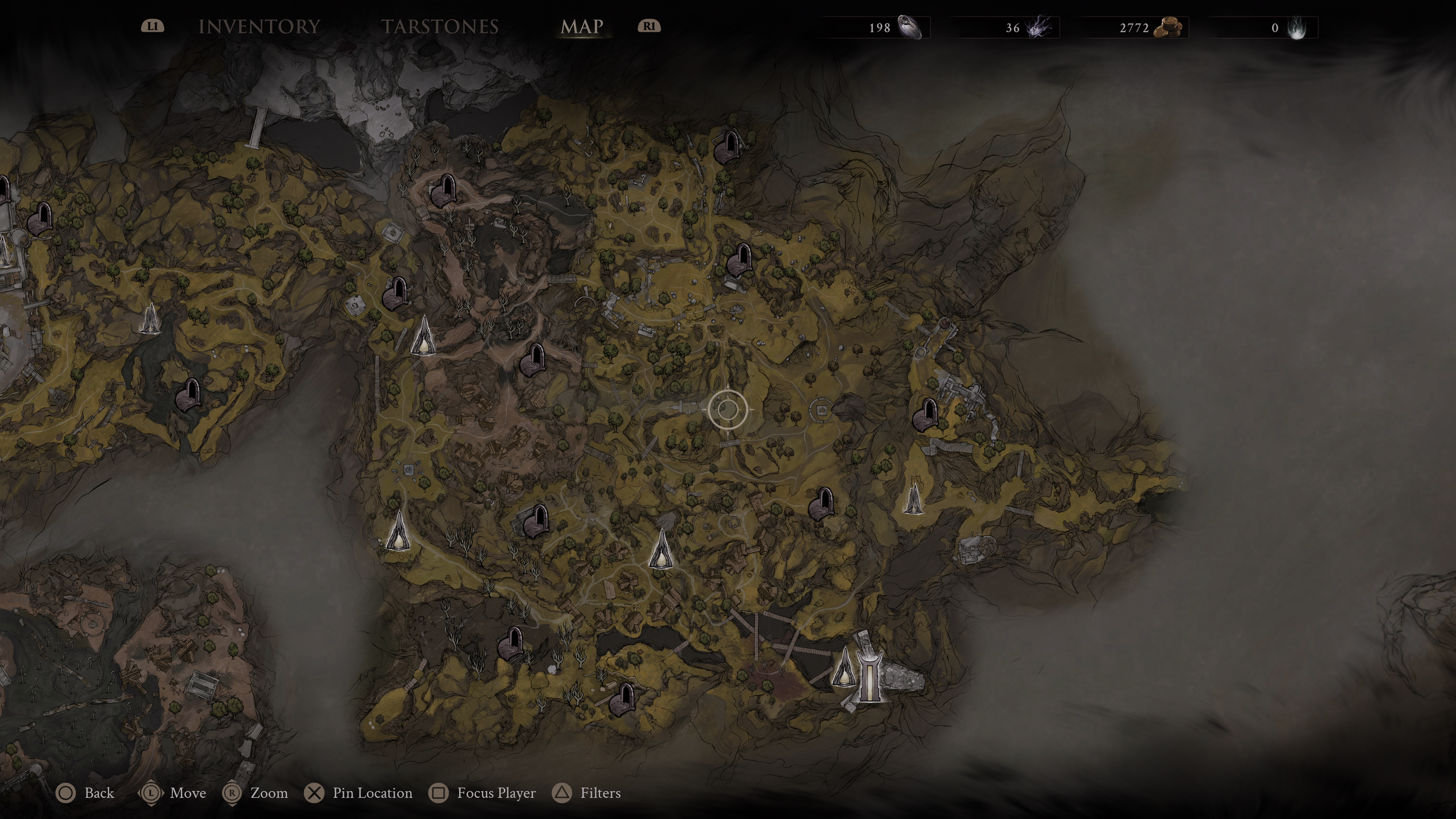
The world is split into two main regions that aren't directly connected. The upper region is a more old fashioned, flatter open world with fields, swamps, and so on. The southern region is far more vertical, with each section linked by teleporters rather than open terrain. The best part is that you're free to explore both almost from the very start of the game, right after finishing your first few smaller dungeons, though the southern region will absolutely test you if you head there too early. That's the beauty of it: you can go in any direction you want with basically no limitations, aside from a few enemies that will one shot you, and stumble onto a small cave or side dungeon with genuinely cool loot waiting inside, whether that's a new weapon, a new sidearm, a new tarstone (the game's version of rings), or even a brand new shell, which is essentially a new character class.
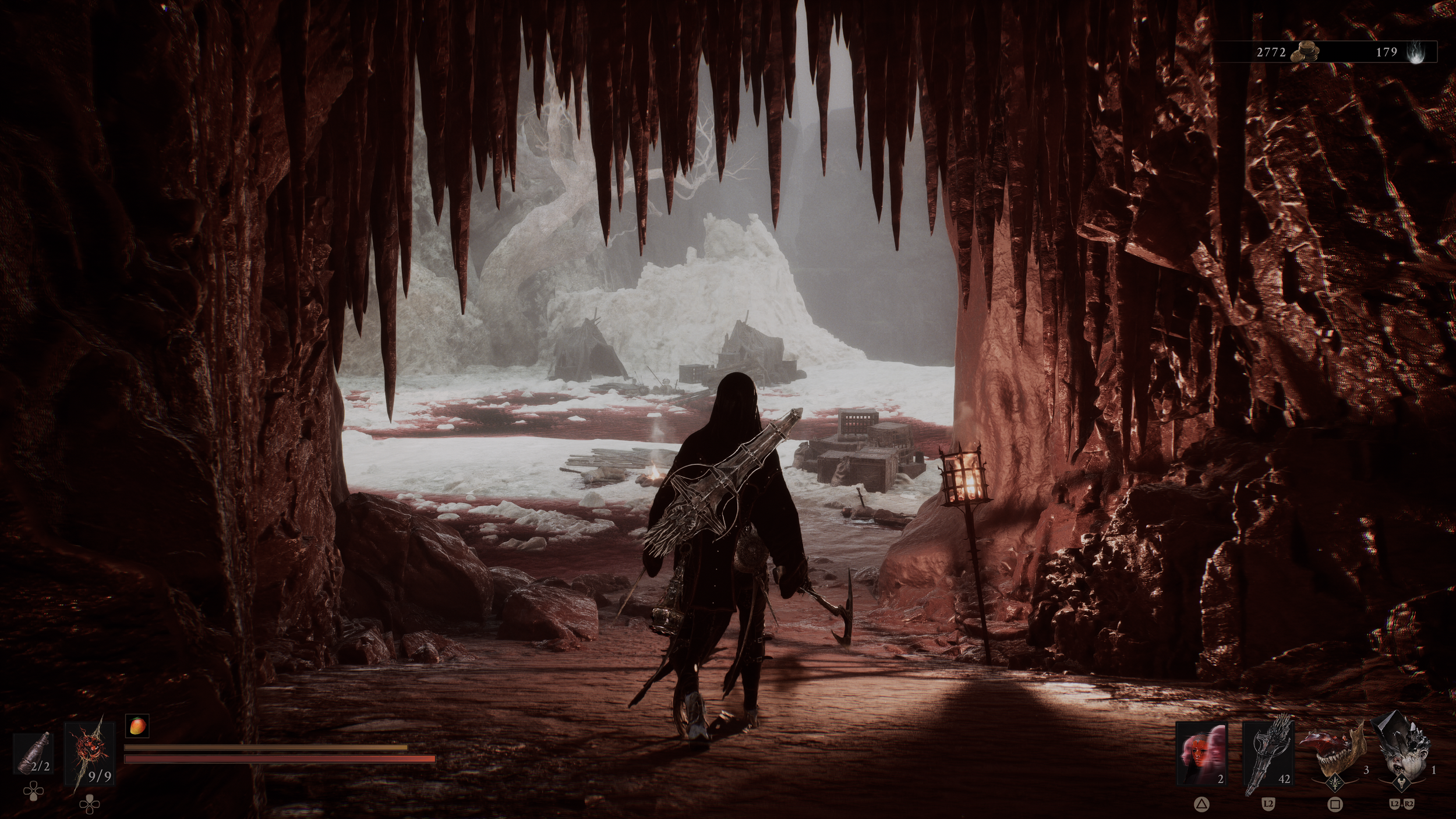
My one real complaint about the exploration is a slight bit of hand holding around the important stuff, specifically weapons and shells. You can pay certain NPCs in the hub to mark a general area on your map where one can be found. I'd much rather anything non story related be left entirely up to the player to discover, or at least made less obvious than just paying an NPC for a map marker, maybe a clue in a note instead. That said, there's still plenty else worth finding on your own.
As with the first game, Mortal Shell 2 uses a class system built around shells, each one essentially a distinct character with its own unique skill, passive, and skill tree. This is where the game really outshines almost every other souls-like out there: the character building.
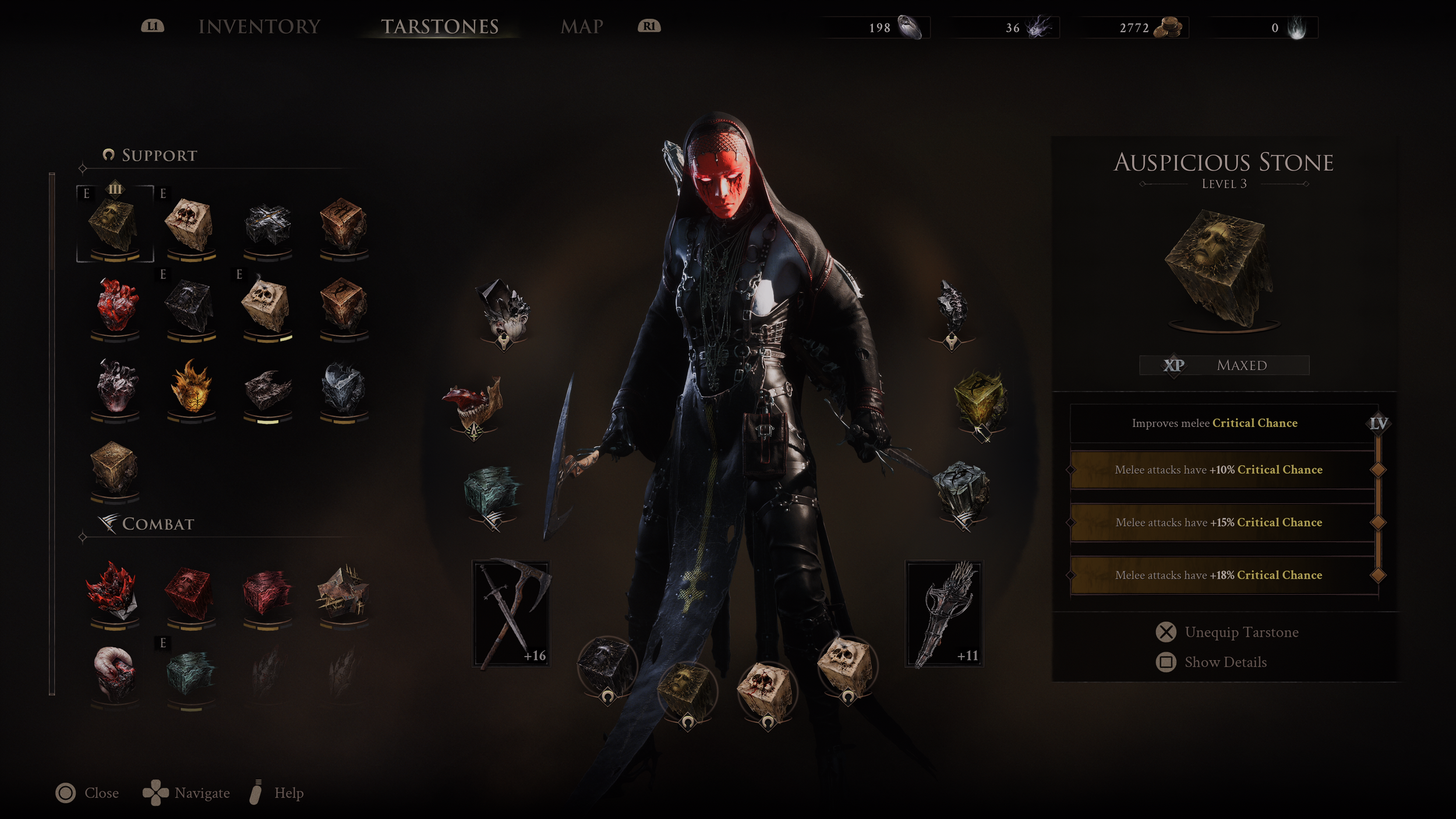
There are only 8 weapons and 8 sidearms, and on their own they're not especially spectacular in terms of moveset, really just a light attack and a strong attack, though each is unique in shape and form. Where they truly shine is once you start mixing them with tarstones. You get 10 tarstone slots total, some tied to your character (defense, gold gain, crit chance, that sort of thing) and others tied specifically to your weapon and sidearm. With 75 tarstones to collect, some of them completely change how a weapon behaves, granting it entirely new abilities. A handful are built for one specific weapon, meaning you can only equip them while using that weapon, so you might stumble onto a tarstone that's perfect for your build and changes how the whole thing functions. Combine all 10 slots with the right weapon and the right shell and you can put together some genuinely fun, interesting builds.
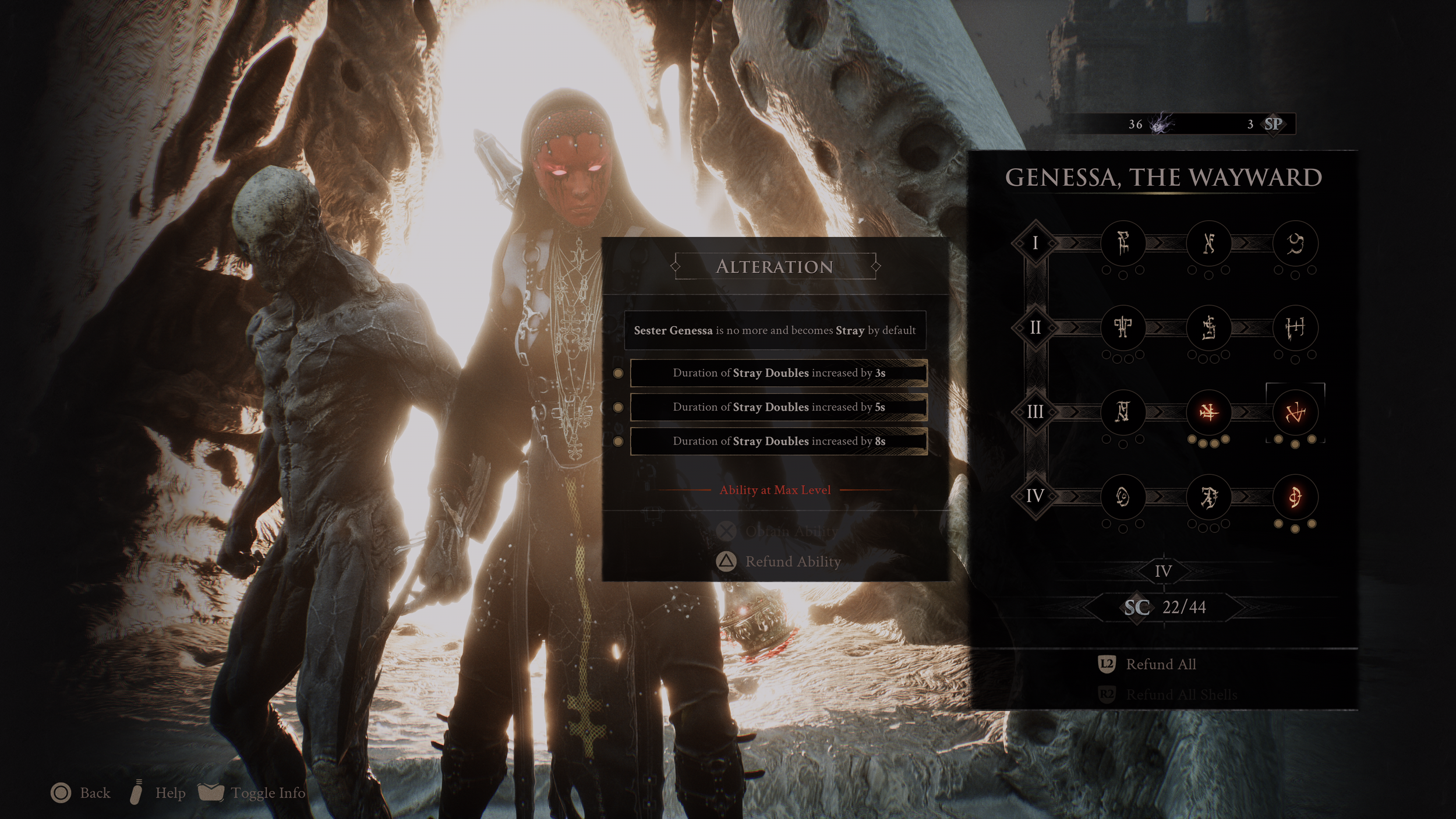
And that's before even mentioning the skill trees, which can drastically change how each shell plays. The monk class, for example, can stop time and fight hand to hand while his ability is active, but there's a point in his skill tree that lets him abandon his weapon entirely and fight bare handed permanently. Or take one of the later classes, my personal favorite, who enters a "harbinger" mode on death, similar to how the first game worked where dying the first time strips you of your shell until you deal enough damage to enemies. This particular class becomes extremely powerful in that state, and her skill tree lets you stay in it permanently, turning her into a full glass cannon build. They really nailed the character building here. In a lot of games I don't find building characters all that entertaining and skill trees end up feeling like an afterthought, but there were multiple times in Mortal Shell 2 where I thought to myself, man, it'd be amazing if this character could do X, and then there it was, right in the skill tree.
Another massive upgrade over the first game, and maybe the most important one for a lot of players, is how the game actually feels to play. Most souls-likes really struggle to get this right, but Mortal Shell 2 does a great job of it. Nothing feels sluggish, the movement is smooth, and dodging and parrying both feel natural.
Exploration, as mentioned, is excellent too, minus that minor hand holding issue. You'll find fake walls and nice little gimmicks and puzzles tucked into the side dungeons, just enough variety that each one feels distinct.
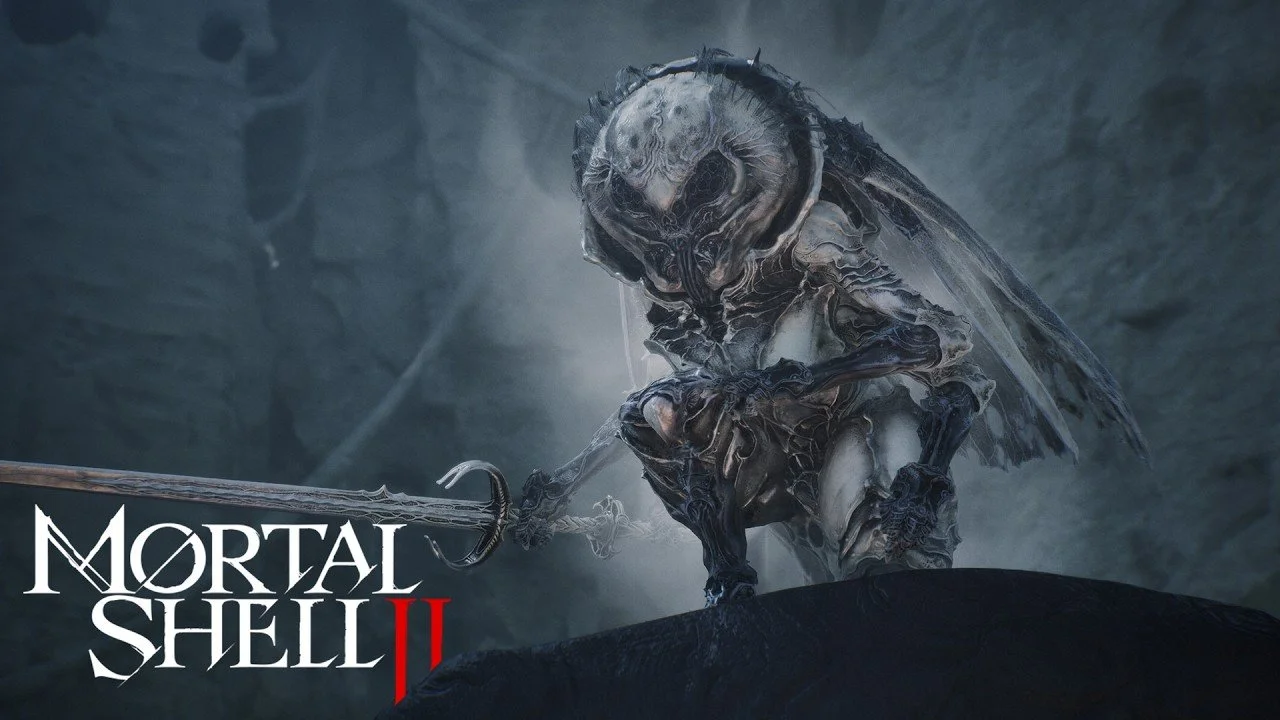
Now, this is a souls-like, so bosses matter, and while they're not the game's strongest point, they're definitely not bad either. Some of them can feel a bit janky, but the majority, while not insanely memorable, are unique, well designed, and genuinely fun to fight. And there are plenty of them scattered all around the game.
Now, it's not perfect, and here are a few things that could push it from a 9/10 to a 10/10 if we ever get a Mortal Shell 3 (please).
The game is fairly large and it feels like there's a solid number of enemy variants early on, and I'm not talking about bosses here. Sure, there are a few reskins among the optional bosses in the side dungeons, or regular enemies that share movesets, but that's fine. The regular mobs are the issue: once you've spent enough time in the game, you'll start to notice they repeat a little too often. It's not terrible, but it's noticeable.
The most important issue for me, though, is the lack of checkpoints in certain areas and the unnecessary run backs to some bosses and dungeons. There are gaps in the open world with no beacons, and if you find a dungeon out there and die inside it, you have to trek back across a big chunk of open world just to reach it again, only to potentially repeat the whole thing. There's no secondary checkpoint system before boss doors or at the start of dungeons. I understand why there aren't major ones, since you can actually walk into a lot of these locations and they function as their own mini dungeons, but a lighter secondary checkpoint at the start of a dungeon or just before a boss would have gone a long way. Add to that the fact that nearly every enemy in the game has what feels like a five kilometer jump attack to catch you if you try to run past, and you end up with some genuinely annoying run backs. Nobody is going to meticulously fight through five elite enemies again on attempt number seventeen at a boss. Ever since Elden Ring, this should just be the standard.
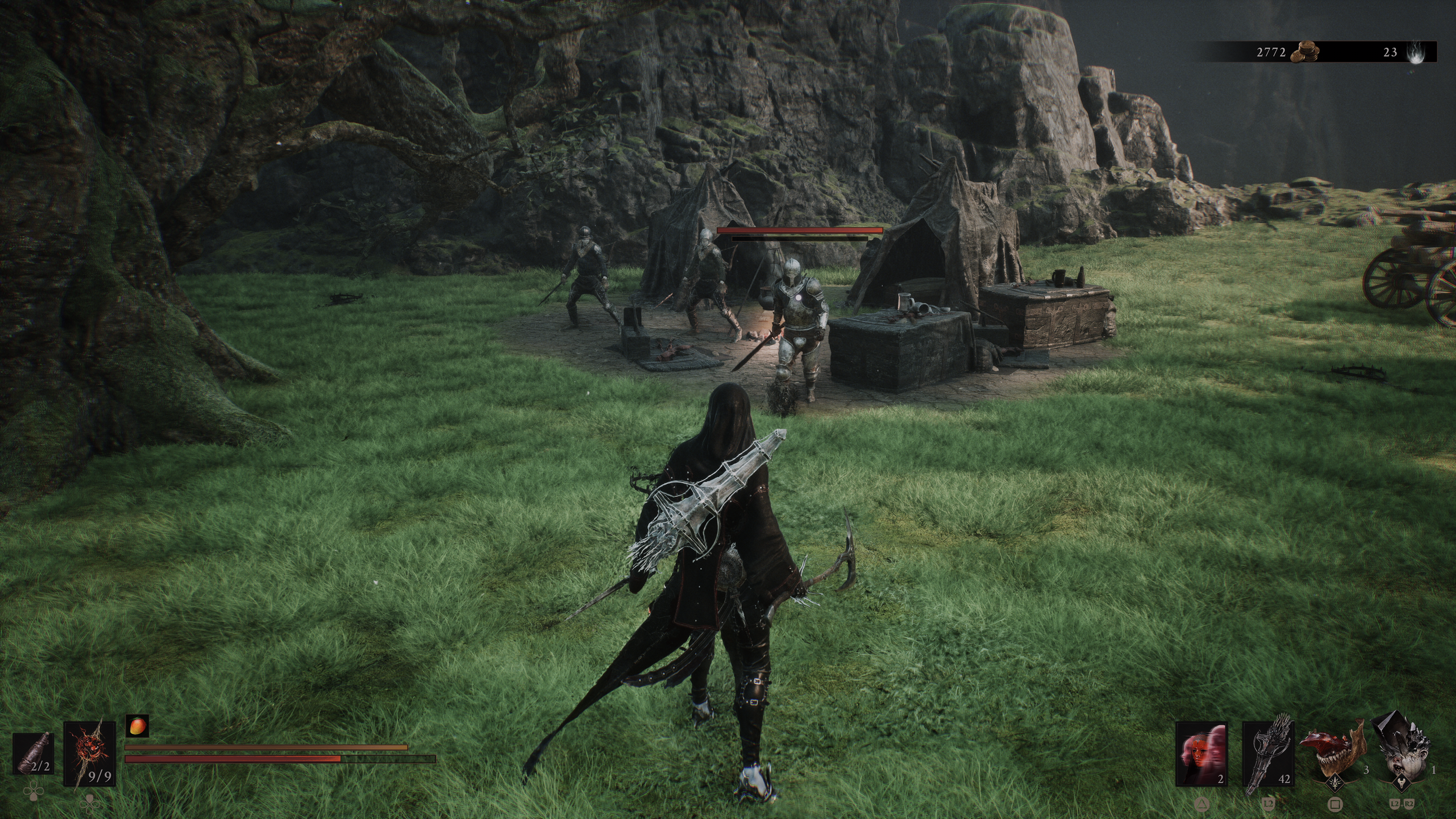
A smaller complaint is the night mode, or hard mode, which you can toggle on and off after collecting a certain key item. It turns the world to night, makes enemies hit harder, and increases the gloom (souls) they drop. A few things do change around the world in this mode, like a new merchant showing up, but overall it feels like a missed opportunity to add a lot more.
Another minor complaint is the lack of NPCs and side quests. The hub has your basics, a blacksmith, a shop, a training area, and so on, but out in the open world there are only two or three NPCs and really just a couple of side quests. I know not everyone loves the convoluted souls-like side quest format, but in an open world this size, it would have been a welcome addition.
At the end of the day, though, this is one hell of a souls-like. It's easily my second favorite game this year, just behind Crimson Desert, and it's earned a spot right alongside my previous favorite non-FromSoft souls-like. If you're a fan of the genre, this is a must buy.