
Nioh 3 Review
Release Date: 6/02/2026
Platforms: PS5 & PC
Platform Played On: PS5
Hours Played: 170 (100% Complete)
Score: 9/10
Nioh 3 follows the trend a lot of modern games are chasing and makes the jump to an open world structure. That shift can be risky. Some series completely lose their identity when they go open world, trading tight level design for big but empty spaces. Thankfully, Nioh 3 absolutely nails the transition and somehow manages to expand the scale while still feeling unmistakably like Nioh.
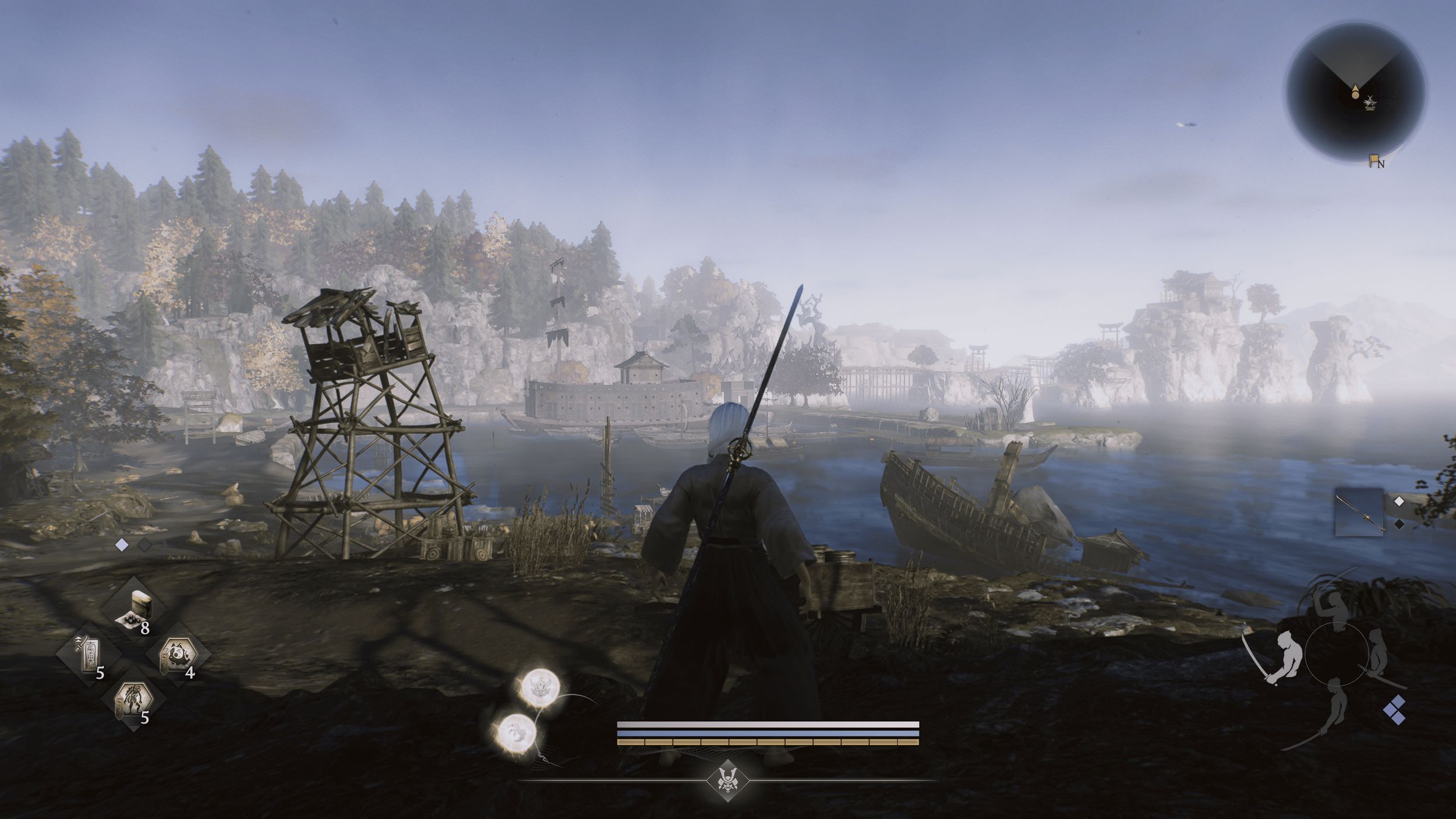
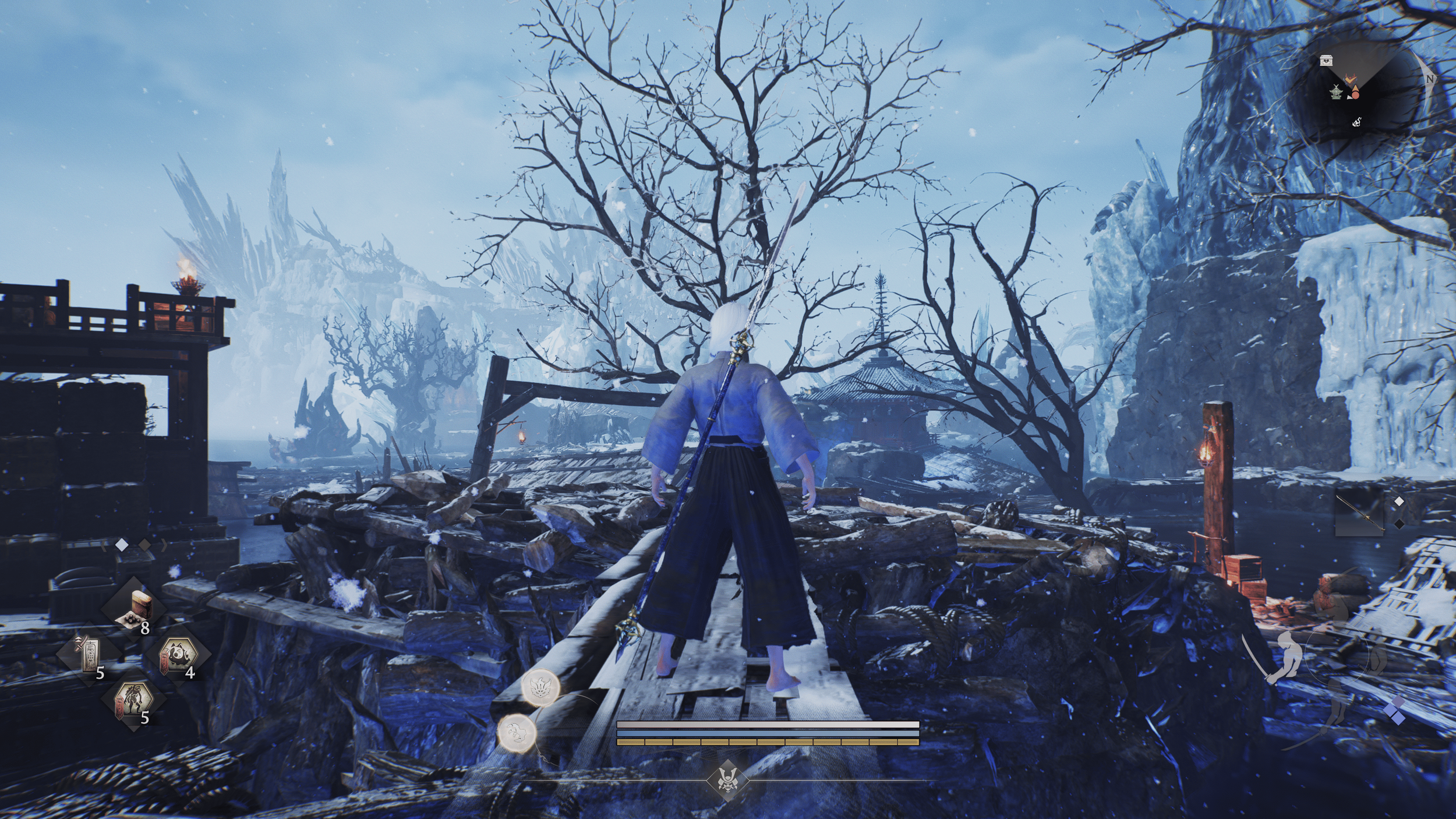
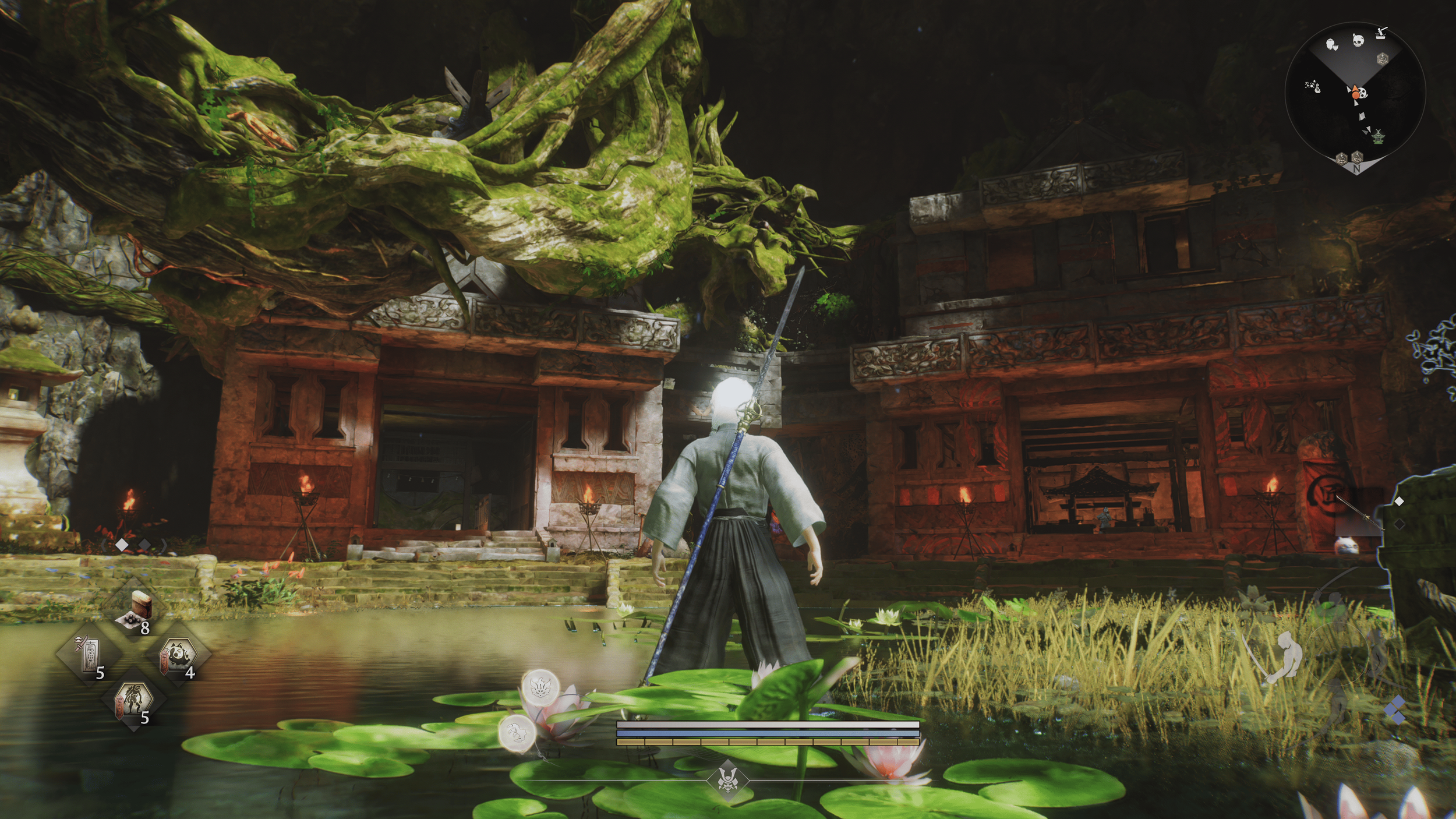
The world is huge, split into multiple regions that each represent different time periods, and while it is technically open world, it doesn’t feel overly wide or unfocused. The regions are separated enough that many of them feel like their own self-contained levels. Some areas are open fields, but a lot lean more into multiple paths and layered level design rather than pure open space. That structure really helps preserve the classic Nioh feel, where exploration is deliberate and combat encounters feel handcrafted instead of random.
The story itself is well implemented, but the game definitely pushes you to explore. You can’t really just rush the main objectives. Recommended levels jump up fast, so if you ignore optional content, you’ll quickly find yourself underleveled. Thankfully, exploring never feels like a chore. Optional areas are packed with useful rewards and meaningful progression.
And there is a lot to find. Kodamas, Scampusses, Chijiko, hot springs, and tons of other collectibles are scattered everywhere. On top of that, there are over 100 martial arts and ninjutsu skills, plus another 100 passive skills split between Samurai and Ninja styles. Combine that with 14 weapon types and 16 unique skill trees, and you can create some seriously unique builds. The blacksmith also gives you deep customization options like changing weapon scaling or special effects, and once you hit late game it leans even harder into loot hunting. There’s even a system that increases the drop rate of specific weapon types you’re targeting, which makes farming much less frustrating.
One of the coolest additions this time is the ability to instantly switch between two playstyles. Each has its own weapons, armor, and build, and you can even make them look completely different, so it almost feels like controlling two separate characters. The Samurai plays like classic Nioh, with Ki Pulse mechanics and heavier weapons like odachis, hammers, and spears at the cost of mobility. The new Ninja style focuses on speed, lighter weapons like tonfas and hatchets, and a much better dodge, but sacrifices Ki recovery from Ki Pulse. Swapping between the two on the fly adds a lot of flexibility and keeps combat feeling fresh.
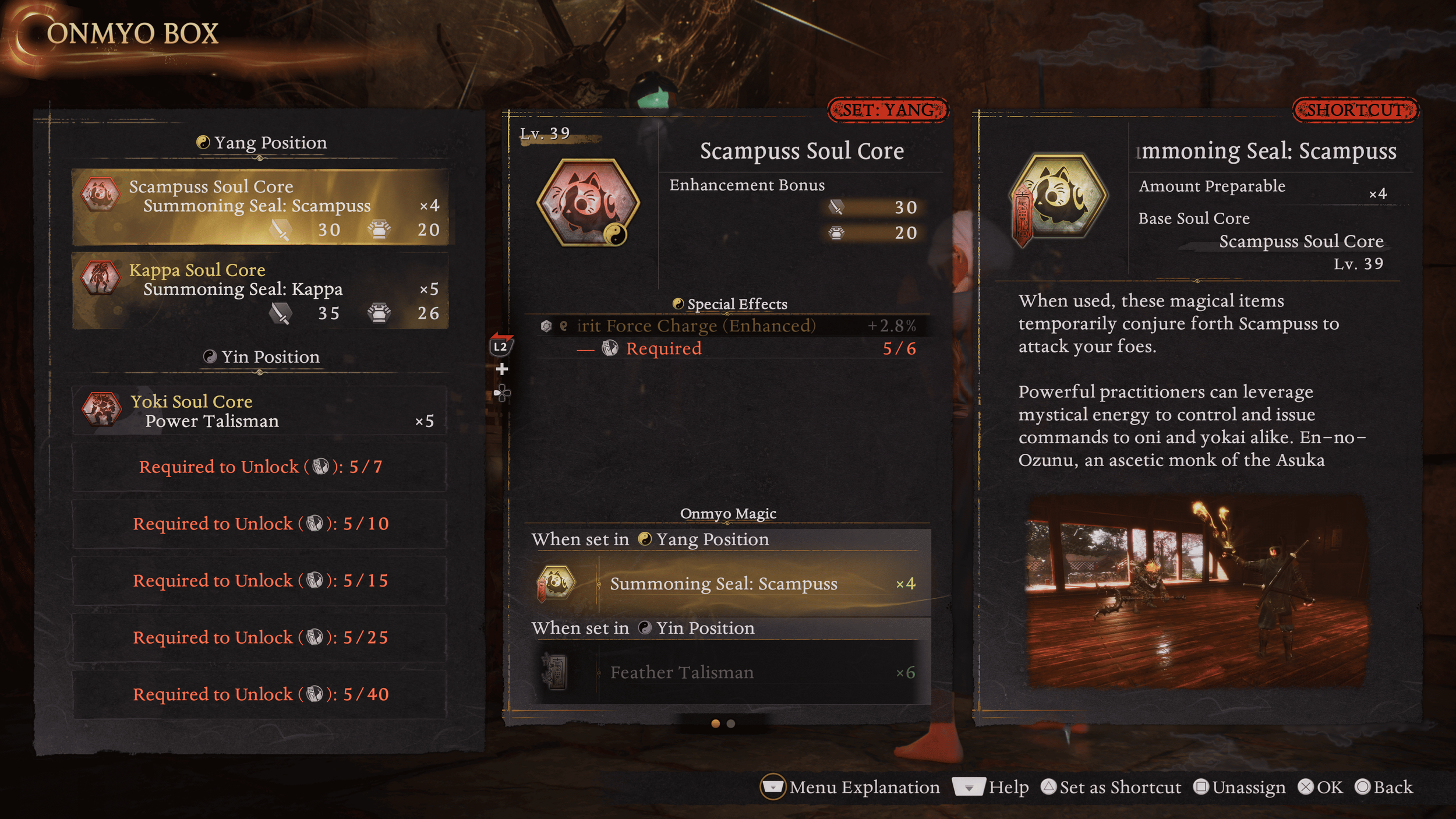
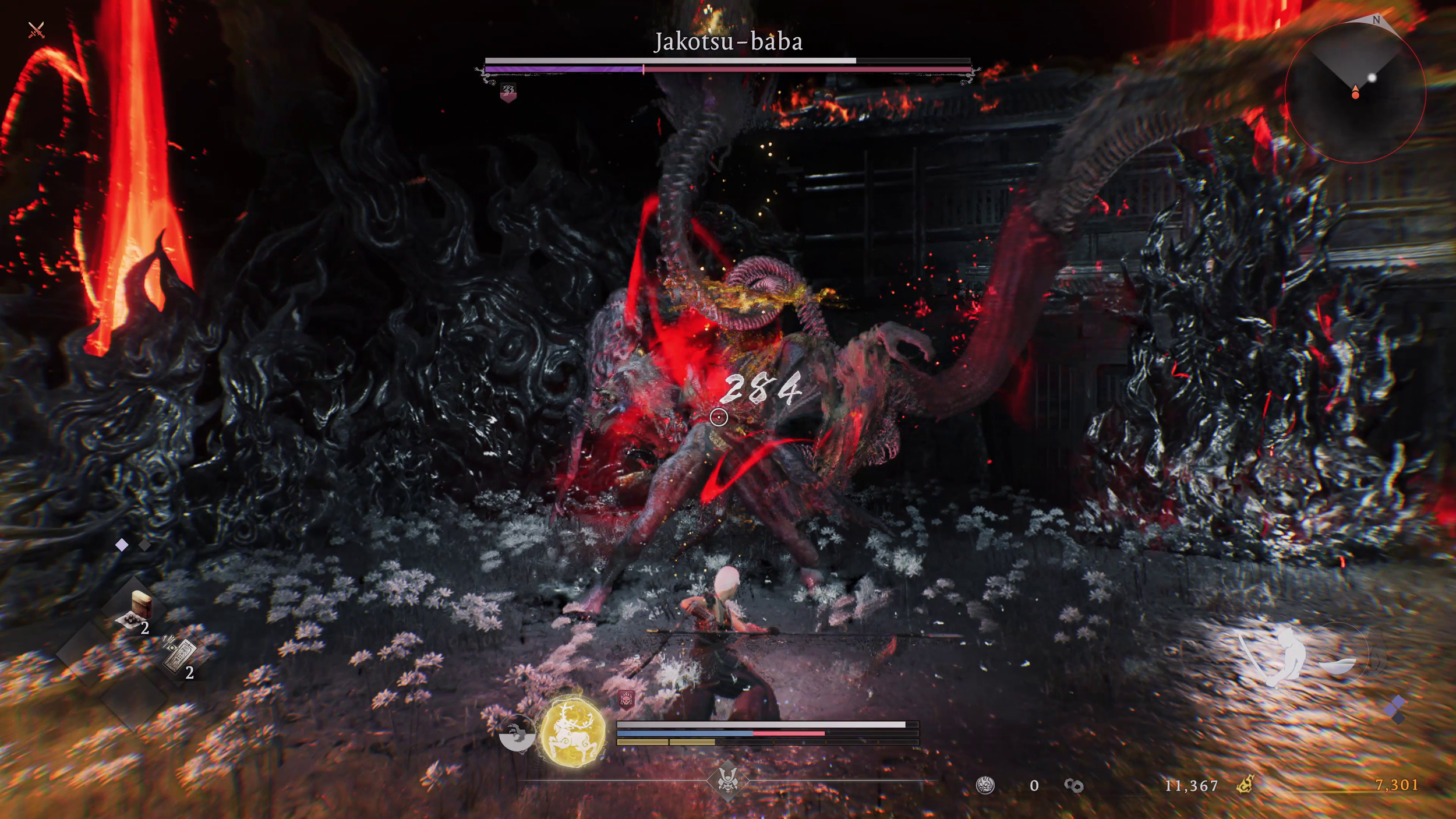
Combat overall feels familiar in the best way. Team Ninja clearly played it safe here. Outside of the Ninja class, the core mechanics haven’t changed much. Enemies still create Yokai realms that mess with your Ki, you still counter red attacks with well-timed burst breaks, and soul cores return with their usual abilities. It’s very much the Nioh formula we already know, just refined.
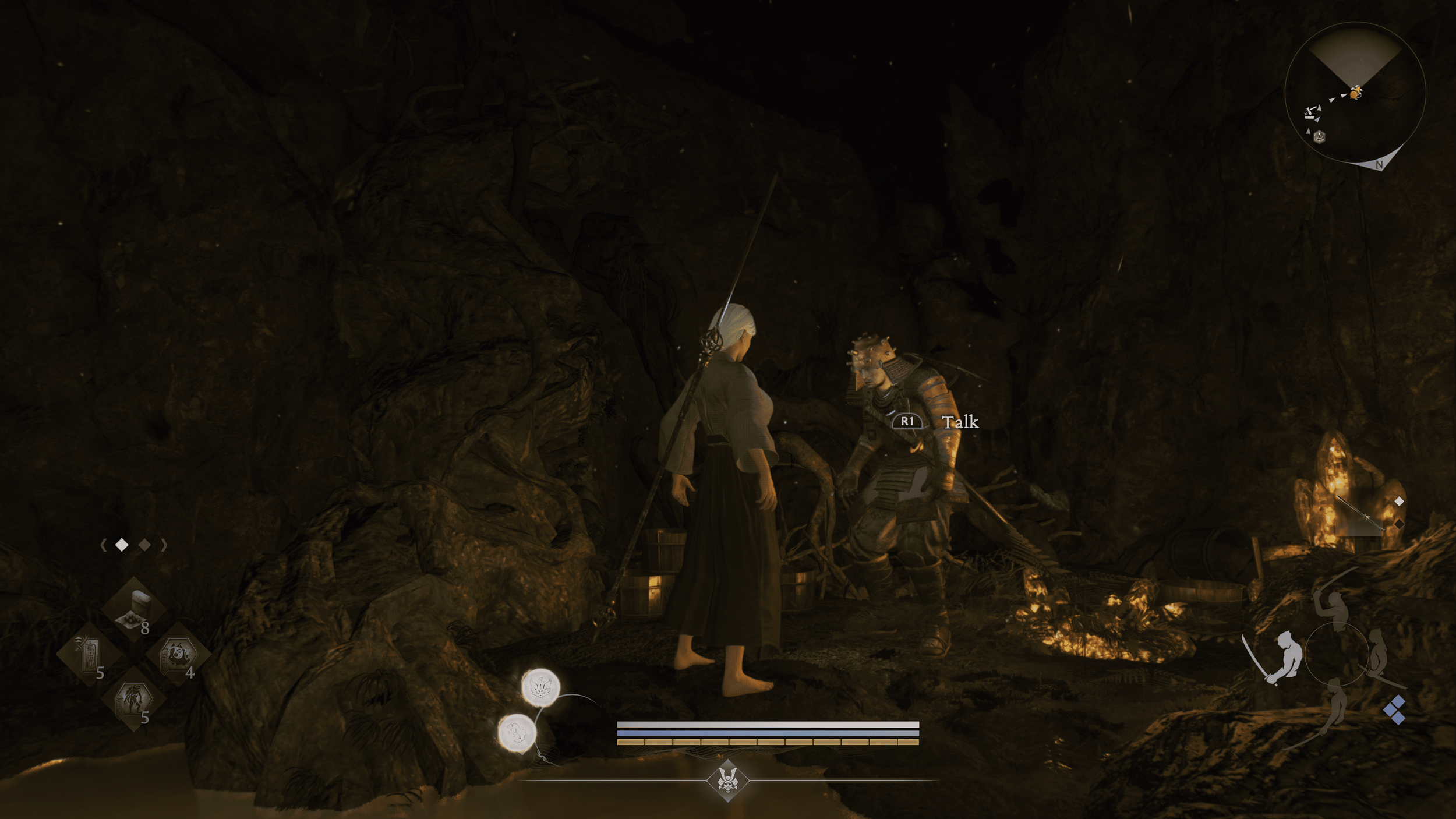
The downside of playing it safe is enemy variety. Most regular enemies are straight out of Nioh 2, and even many optional and open-world bosses are reused. On paper, that sounds disappointing, but since it’s been a while since the last game, it doesn’t feel as repetitive as you might expect.
Story-wise, you play as your own created character, Tokugawa, who is destined to become Shogun while dealing with a jealous brother. It’s not the most complex narrative, but it does the job, and the character creator is still great, even if it feels slightly less robust than Nioh 2.
Visually, the game looks good. It’s not pushing any boundaries or competing for best graphics of the generation, but it absolutely gets the job done and fits the style of the series. On a standard PS5 in performance mode, it runs at a mostly stable 60 FPS. I noticed a few drops in heavier areas like snowstorms, but nothing that affected gameplay. Audio and music are solid as well and stay consistent with the previous games.
Difficulty is interesting this time around because the open world can swing things either way. If you explore a lot and grab collectibles, you can end up slightly overpowered and make some bosses easier than in previous entries. If you rush the story and skip side content, you’ll be underleveled very quickly. The recommended levels jump dramatically, like going from level 10 to nearly 40 for the next objective. Thankfully, you can still summon NPCs or real players if you hit a wall.
For trophy hunters and completionists, there are no missable trophies, which is always a relief. That said, the game is extremely collectable-heavy. Some of the tracking counters are a bit messy or inconsistent, especially with how they separate area collectibles and battle scrolls, and sometimes they don’t seem to count properly. The good news is that once you raise an area’s exploration level high enough, all remaining collectibles get marked on the map, making cleanup much easier. Overall, it’s a pretty straightforward platinum, just time-consuming.
In the end, Nioh 3 feels like a confident step forward. It takes one of the best souls-like combat systems out there, expands it into an open world, and somehow keeps everything that made the series special intact. It plays things a bit safe and reuses more than I would have liked, but the core experience is still fantastic. For me, it’s easily the strongest version of the Nioh formula yet.