Order of The Sinking Star Review
A thousand puzzles. Zero filler.
Order of the Sinking Star is the latest game from the magnificent mind of Jonathan Blow, the same mind behind Braid (one of my all time favourite puzzle games) and The Witness (another amazing puzzle game). If you have played either, you know the kind of designer we are dealing with: someone who takes one simple idea and squeezes every last drop out of it. I do love myself a good puzzle game, so I was well and truly hyped from the moment this one was announced. And it was announced with quite the statement: more than A THOUSAND handcrafted puzzles. That is a lot of puzzles, and it is the kind of number that stands out, for better or for worse.
Before playing I will admit I was a little sceptical. With that many puzzles, surely most of them had to be really easy, or the team was counting every small step on the overworld as a puzzle just to reach the number. And while there are smaller puzzles dotted around the overworld that I am sure do count towards the thousand, they are just as original and fun as the main ones. Which brings me to the puzzles themselves. You are probably thinking the same thing I was: with so many of them, they can't all be that great. Maybe a handful are good and the rest are filler to pad out the count. That is where you would be wrong.
Honestly, the team behind this game are geniuses. Every puzzle is incredibly well crafted, to the point where most of them are so precisely calculated that you simply can't cheese them. You are almost forced to solve each one exactly as intended. There were plenty of times where I thought I had found a sneaky way around the problem, only for the game to stop me right at the last step, leaving me sat there thinking "wow, you clever SOBs, you knew I was going to try that". When you remember that this game was around ten years in the making, and that its main worlds grew out of existing puzzle games by other well known designers who were brought in to help weave everything together, it starts to make sense. It feels like every single tile has been argued over.
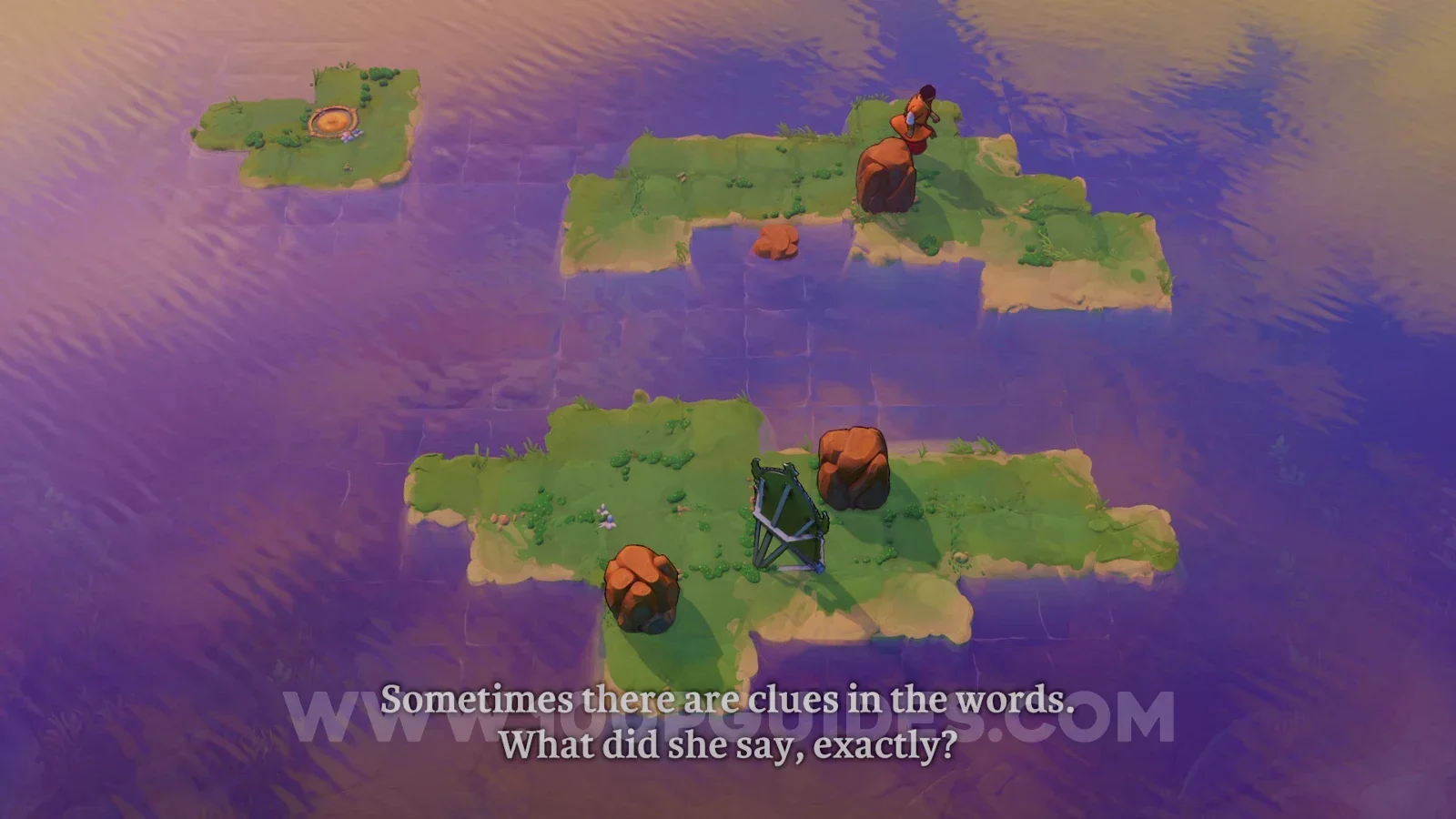
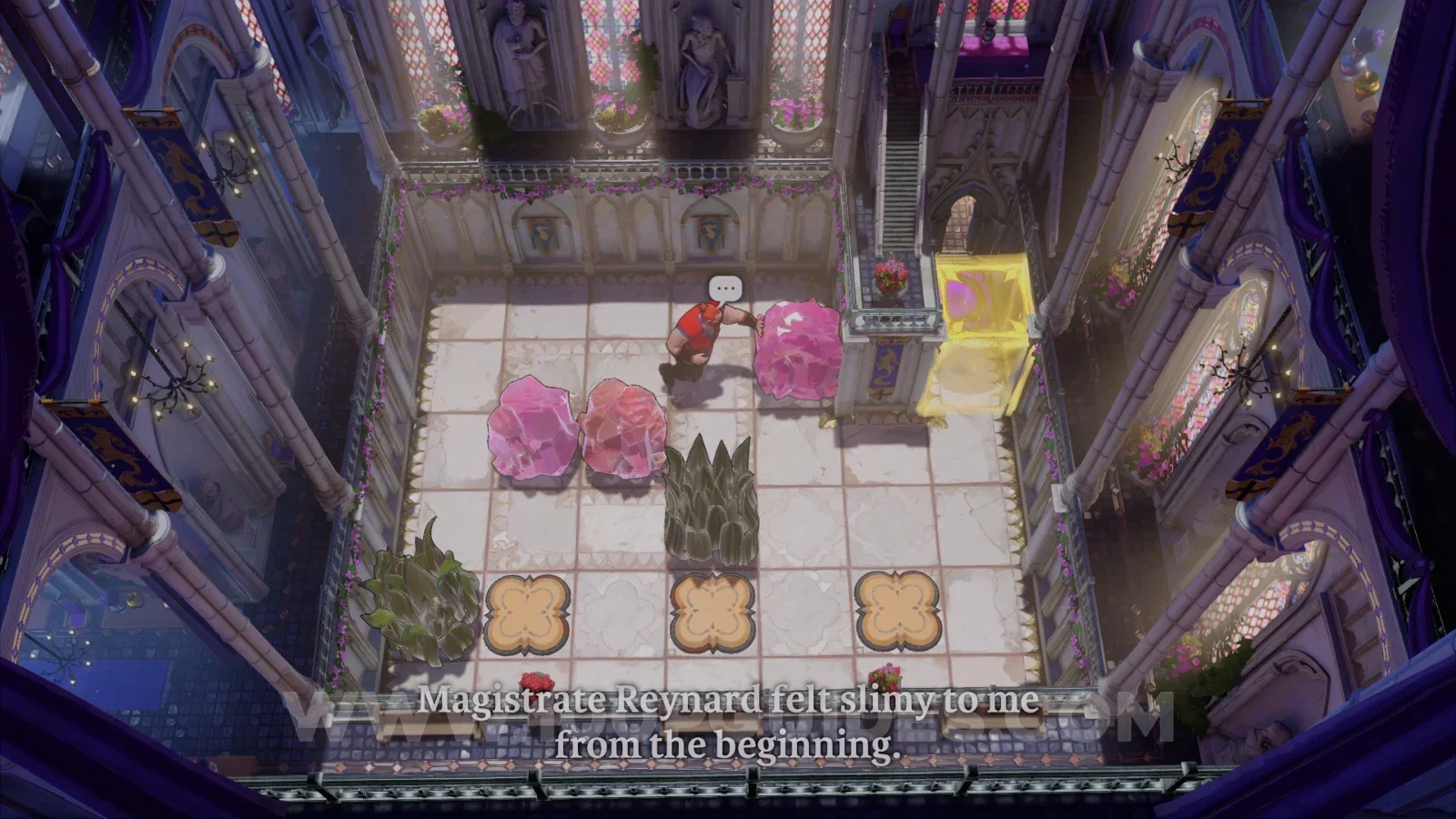
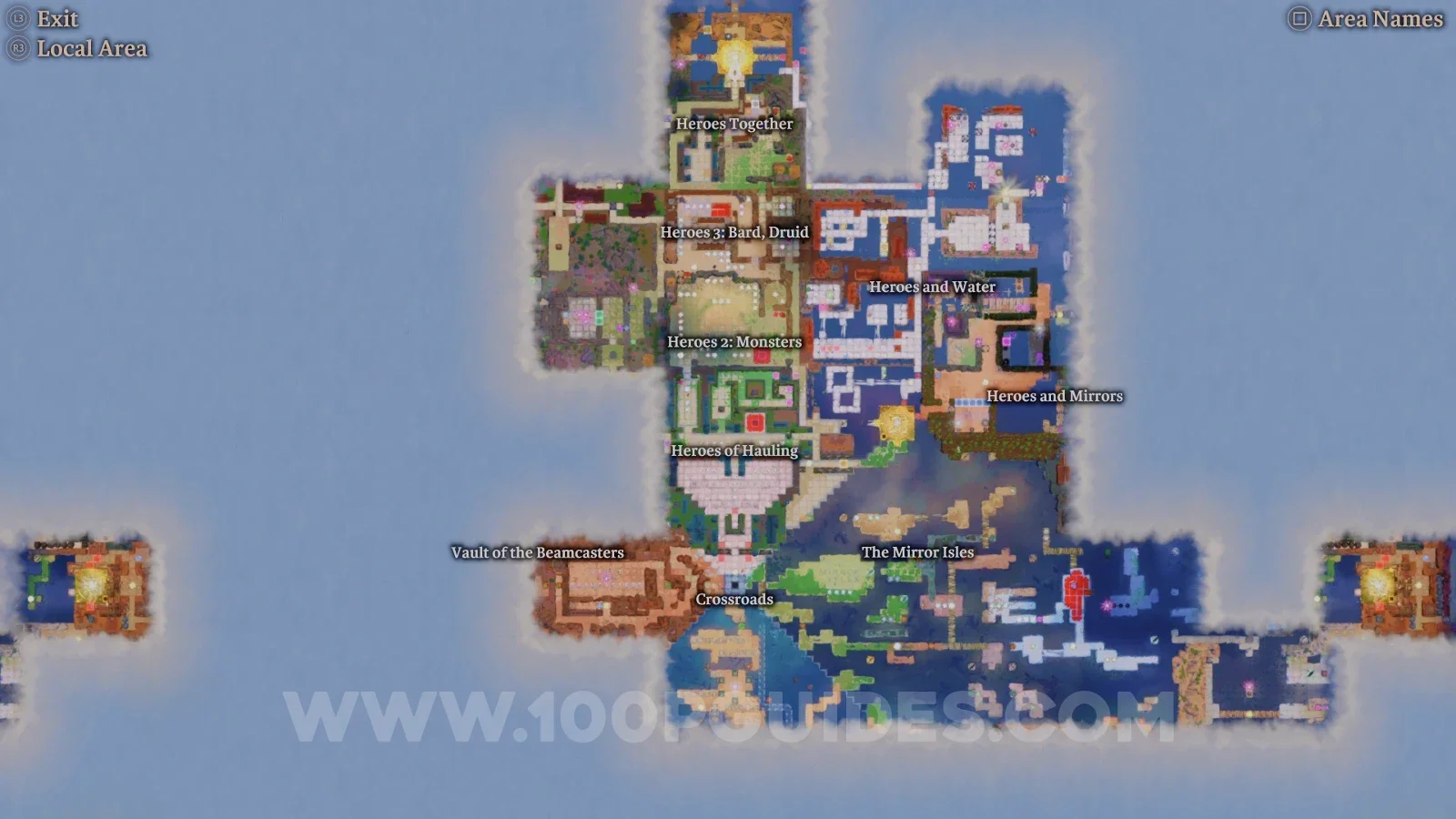
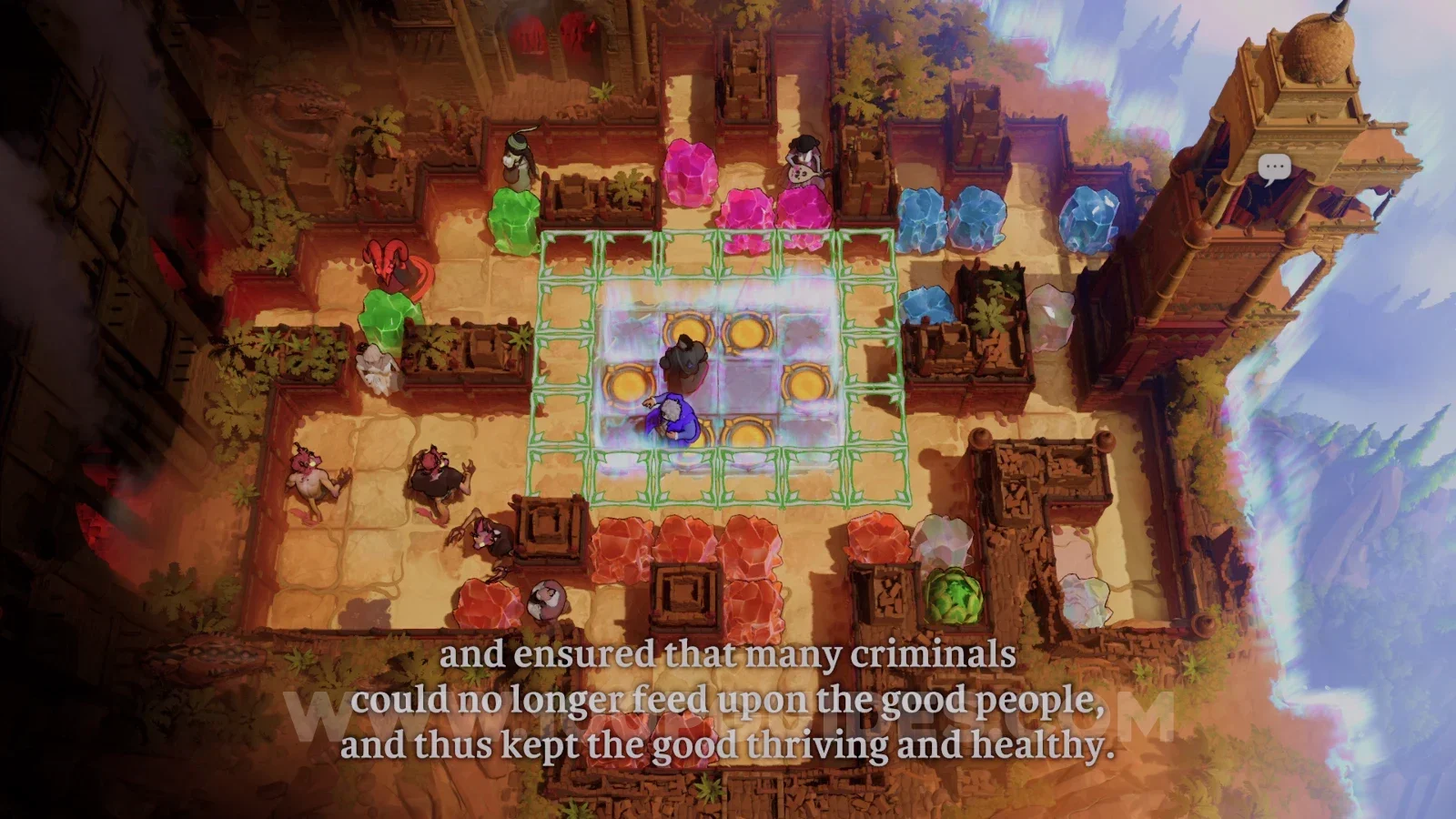
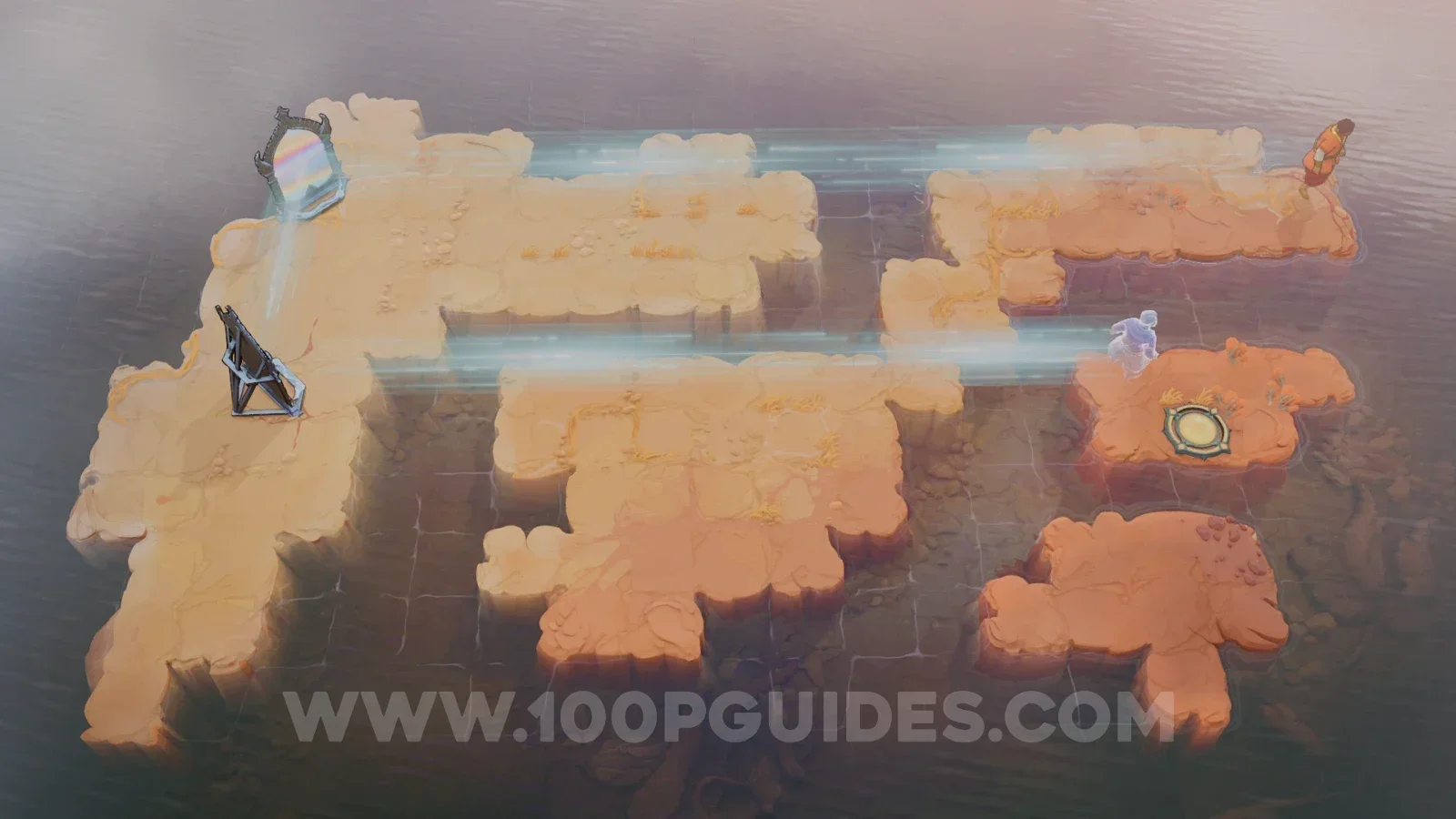
So how does it actually play? This is a top-down puzzler in the classic block pushing style, usually called Sokoban. If you have never heard the word, it is the old school kind of puzzle where you push things around a grid and every move matters, because one wrong push can leave something stuck against a wall. Here that idea is wrapped in an open overworld that you walk across to move between puzzles, something one review compared to the original Legend of Zelda with its map full of self contained dungeons. Each region of that map represents a type of puzzle with its own mechanics, its own protagonist and its own story. Head east, for example, and you get a load of puzzles that revolve around mirrors, using them to move yourself and objects around the room. It starts simple and then gets more and more complex, eventually having you create duplicates of items or even characters by using multiple mirrors. Head north instead and you get the Heroes saga, where you control multiple characters, each with their own mechanic. One pushes, one pulls, one can swap places with other characters and objects. Again it starts simple, then more and more heroes are introduced, until you reach puzzles where you are moving six different characters around, all helping each other out while avoiding monsters at the same time.
Each of these regions is then split into sub-regions, where the core mechanic stays the same but with a slight variation. There are a few sub-regions where the puzzles do start to feel a little repetitive because you have been working with the same idea for a while, but the game does a great job of cutting things off and moving you on to the next sub-region with a new twist just in time. That is hard enough to get right in a normal sized puzzle game, never mind one with a thousand puzzles in it.
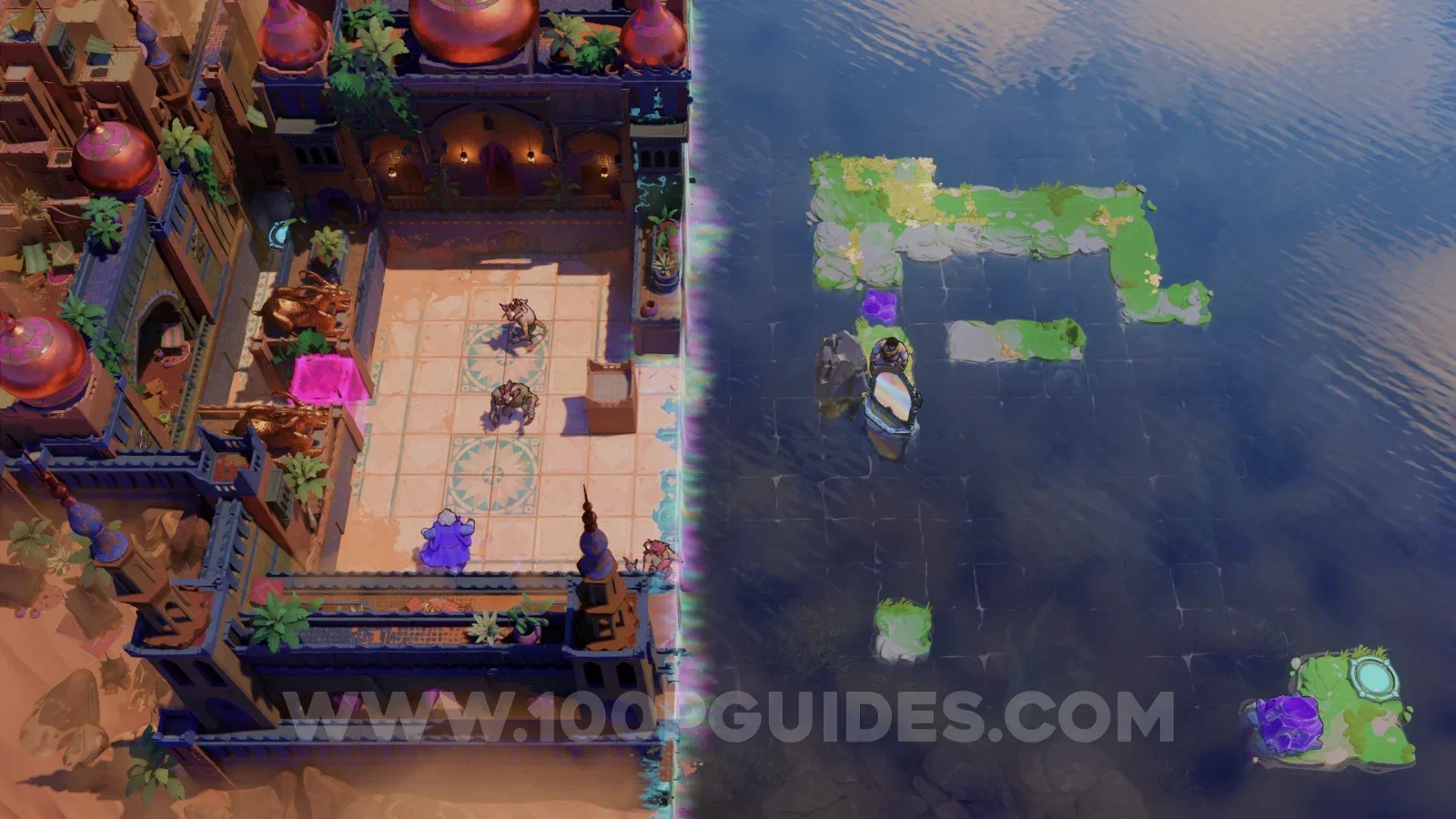
Then we have the crossover sections and the golden puzzles. On the diagonals of the map the regions quite literally collide, and where they meet you will find a special golden puzzle. Here the characters from both paths come together, interact and help each other out, which means two completely different sets of rules sharing the same room. There are also diagonal regions where you don't control both casts, but the mechanics still cross over, so you might have the heroes solving mirror puzzles simply because the two regions overlap. It is all great stuff, and it is where the game really shows off, taking everything you have learned separately and asking you to look at it in a whole new way.
With all that said, let me be clear about who this is for. This is a game made for people who already love puzzle games, not for people wanting to dabble in the genre. It does not go easy on you and it does ZERO hand holding. Nothing is explained, nobody tells you what a new object does, you just poke at it until it clicks. The one kindness it does offer is a generous undo, and it is VERY reminiscent of the rewind from Braid. It lets you take back your mistakes, so experimenting never wastes much of your time. But it is also a clever part of solving some of the overworld puzzles, because it rewinds what you have done on the overworld without rewinding your progress in the main puzzles. The puzzles get rather challenging really quickly, and even after 20 hours I have not seen half of the game, so I am guessing some of the late game stuff is going to be "interestingly" challenging. But these are exactly the kind of puzzles that make you feel like a genius when that AHA moment finally comes along. And not only that, you will also catch yourself going "holy shit, these guys are geniuses for making this".
Now, the size and the length. This game can easily take 100 or even 200 hours to finish fully, and from what I have read, rolling credits is not even the end of it. It is not something to binge unless you are VERY into the puzzle genre. To me it feels like a game where you sit down, solve a few puzzles, put the controller down and keep coming back to it over weeks or even a few months. The open overworld helps a lot with that, because if one puzzle has you completely stuck you can just wander off in another direction, try a different region and come back later with a fresh head.
Stepping back, this is up there with the best puzzle games I have ever played, and it comes down to a few things: how tightly every puzzle is built, how the early rooms quietly teach you the rules without a single tutorial, how well the mechanics combine once the worlds start colliding, and that swing from feeling completely stupid to feeling like the smartest person in the room. It is unforgiving, no doubt about it, and getting properly stuck is part of the deal. If I have one real complaint, it is the sheer size of the thing. The scale is both the best and the worst part of the game, and there are moments where it loses a bit of momentum simply because there is so much of it. That is exactly why I would say don't try to rush it. Played in small sessions the size is a gift. Played as a marathon I can see it wearing you down.
All in all, Order of the Sinking Star does not disappoint. Its puzzles are VERY well crafted, just as good as or maybe even better than those in Jonathan Blow's previous games, and with definitely a lot more variety. And there are more than a thousand of them. So if you like puzzle games, you are getting A LOT of puzzle game here. Just don't expect to speedrun it.